




Why Your Wedding Playlist Should Include Songs from Different Generations
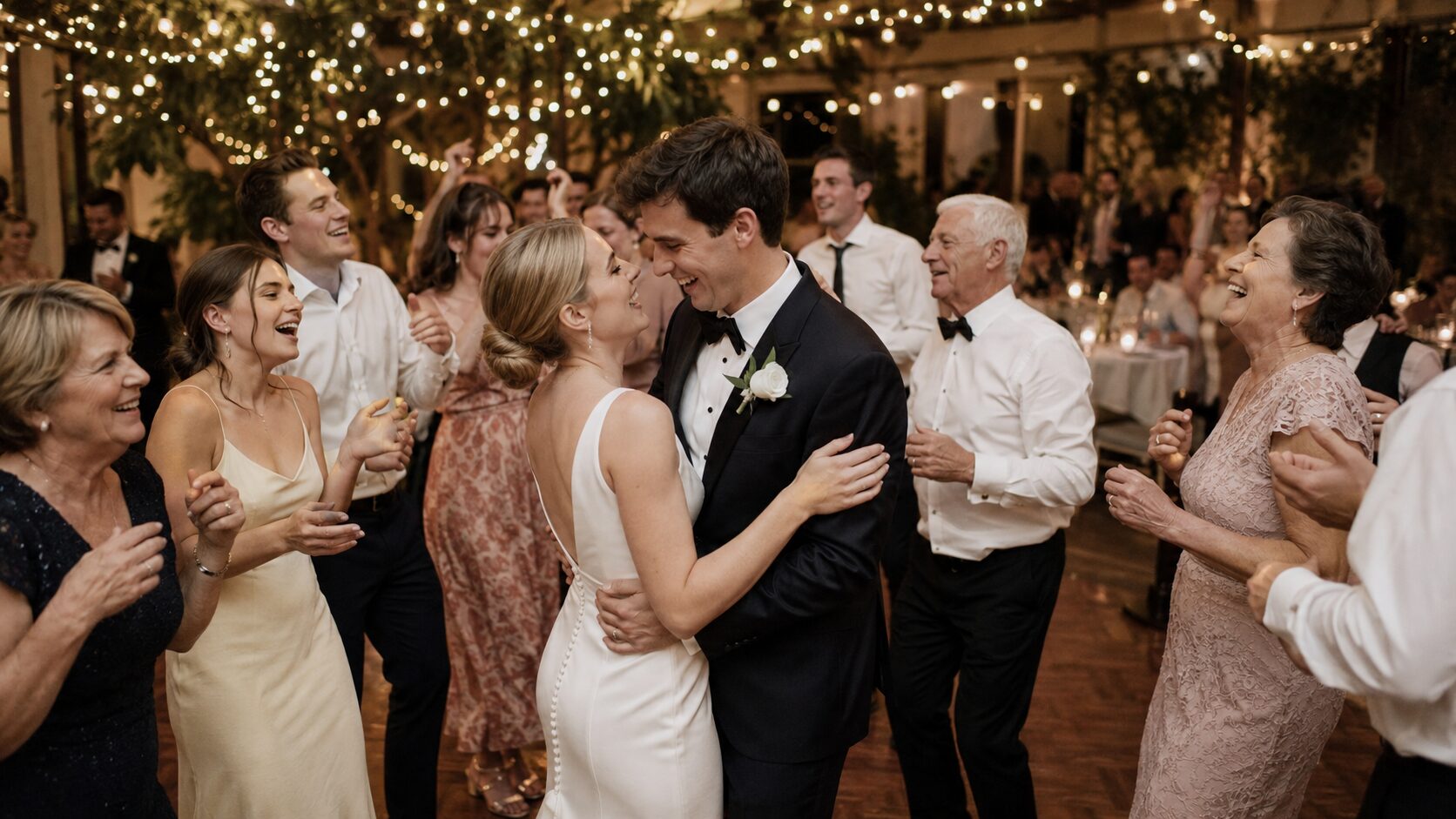
A Dance Floor Should Feel Shared
A wedding brings together people who may have little in common beyond their connection to the couple. School friends meet grandparents. Workmates share a table with cousins. Children race past guests who haven’t danced since the late 1980s.
Then the music starts.
A playlist built around only one decade or one current trend can leave much of the room sitting politely. They might recognise the beat, but recognition isn’t the same as connection. A better playlist moves between generations, giving everyone at least one moment when the opening notes make them look up and say, “Oh, I love this song.”
That reaction matters. It turns a reception from a performance watched by guests into a celebration shared by them.
Familiar Songs Break the Ice
Weddings can feel socially awkward at first. Not everyone knows each other, seating plans create unexpected combinations, and small talk can only carry a table so far.
Music helps.
A well-known track from the 1960s or 1970s can draw older relatives onto the floor. A 1990s singalong might bring siblings and family friends out of their chairs. More recent pop, indie or country songs can then keep younger guests involved.
The best playlists don’t separate these audiences into neat time slots. They mix them. A classic Motown track can sit beside an early 2000s favourite, followed by a current dance song. Done well, the shifts feel lively rather than random.
There’s something joyful about watching a grandparent dance beside a university friend. Neither needs to know the same steps. That’s half the fun.
Older Songs Carry Family History
Music often holds memories that photographs can’t quite capture.
A song might remind the bride’s parents of their own wedding reception. Another may have played during childhood road trips, Sunday lunches or family parties. Including those tracks gives the celebration an emotional depth that a playlist pulled entirely from current charts can’t provide.
Couples can ask parents or grandparents which songs marked important moments in their lives. The answers may be surprising. Not every meaningful family track is a slow ballad. Sometimes it’s a wildly upbeat disco number that causes three aunties to abandon their shoes within seconds.
These choices don’t need a formal announcement. Their meaning can remain private, understood only by the people connected to them. That quiet recognition can make the moment even more special.
New Music Keeps the Celebration Current
A multigenerational playlist shouldn’t feel like a nostalgia program. Current music belongs there too.
Recent songs reflect the couple’s life now. They might bring back memories of the year they met, a concert they attended, a holiday playlist or a track that became an inside joke. These songs make the wedding feel personal rather than borrowed from someone else’s idea of romance.
Current tracks also bring energy. They can lift the pace after dinner, appeal to younger guests and create moments that feel unmistakably connected to the present day.
Balance is the goal. A wedding DJ who jumps from one viral song to another for two straight hours may keep a small section of the room happy, but the rest of the guests can quickly drift back to their seats. The dance floor works best when everyone gets invited back in.
Country and Folk Songs Add Warmth
Country and folk music sit comfortably across generations because storytelling remains at their centre. These songs often speak about love, home, commitment, family and the roads people travel together. Exactly the sort of themes that belong at a wedding.
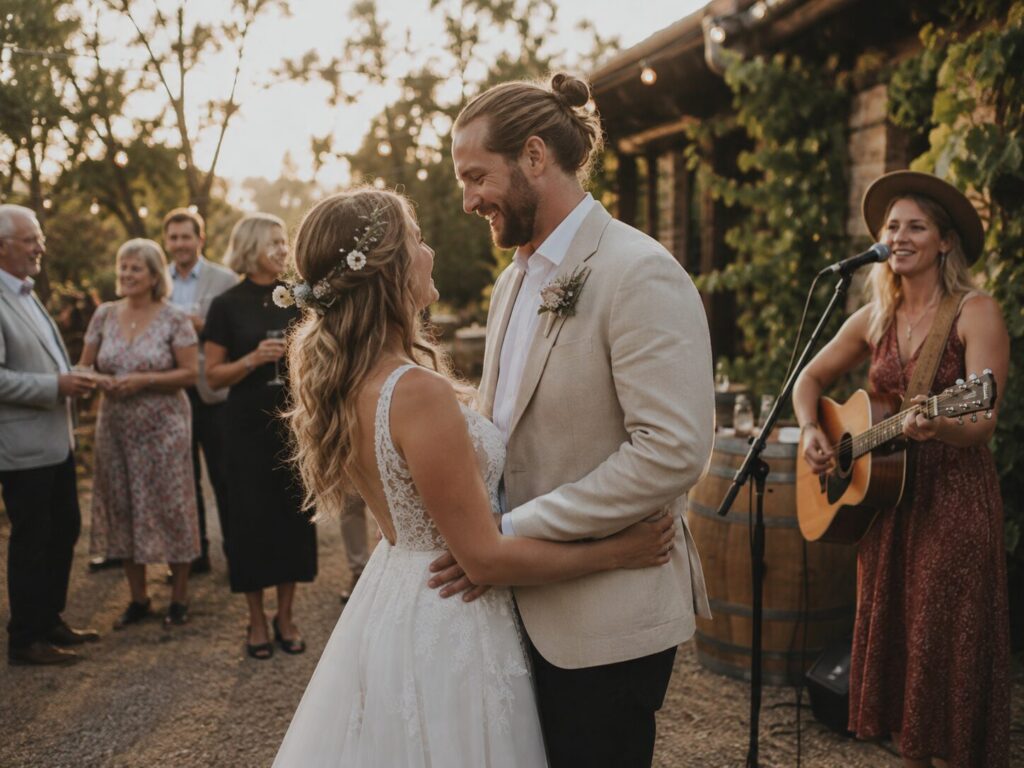
Australian artists can add a strong sense of place, especially for celebrations held in regional venues, rural properties or relaxed outdoor settings. The work of singer-songwriters such as Norma O’Hara Murphy shows how country music can carry honest stories without becoming overly polished or sentimental.
A carefully chosen folk or country track may suit the ceremony, drinks hour or dinner more naturally than a standard pop love song. Acoustic arrangements also create breathing room between louder parts of the celebration.
Not every song needs to fill the dance floor. Some should simply make the room feel good.
The First Dance Doesn’t Need to Be New
Couples sometimes feel pressure to choose a recent release for their first dance, as though an older song might make the moment less original. The opposite can be true.
A track written decades ago may express the relationship more clearly than anything currently trending. Great love songs survive because the feelings inside them still make sense. Devotion doesn’t go out of date.
The choice should come down to personal meaning, suitable lyrics and how the song feels when played in full. That final point is important. A beautiful chorus can hide verses about heartbreak, regret or someone leaving on a midnight train. Romantic? Perhaps not.
Among the most useful wedding tips is to read every lyric before committing to a major song. It can prevent an unintentionally gloomy first dance and a few raised eyebrows from the front table.
Let Guests Contribute Without Taking Over
Inviting song suggestions can reveal music the couple may never have considered. A simple question on the RSVP form gives guests a chance to name one track that would get them dancing.
There will be questionable requests. Guaranteed.
Still, the responses can help identify family favourites and generational gaps in the draft playlist. If ten guests nominate songs from a decade that barely appears, that’s useful information.
The couple should keep final control. Guest suggestions are inspiration, not legally binding instructions. No one needs a twelve-minute progressive rock track during dessert simply because Uncle Peter asked nicely.
Build Around Moments, Not Just Decades
A strong wedding playlist has shape. It supports the natural flow of the day rather than moving mechanically from old songs to new ones.
Gentle classics can welcome guests into the ceremony. Acoustic tracks may suit cocktails and photographs. Familiar songs can warm up the room after dinner, while bigger dance tracks take over later. Near the end of the night, a song known across several generations can bring everyone together one last time.
That final shared track often becomes one of the clearest memories of the reception. Arms around shoulders. Half the room singing the wrong words. Someone’s tie wrapped around their head for reasons nobody can explain.
Perfect, really.
Leave a Reply
You must be logged in to post a comment.